Luxury Aluminium Cladding profile cover
Luxury Aluminium Cladding profile

Luxury Aluminium Cladding profile

As modern architecture continues to evolve, materials that balance functionality with aesthetics are increasingly in demand. Aluminum cladding has become a popular choice for exterior surfaces, offering a unique combination of durability, versatility, and design flexibility. For architects and engineers seeking innovative solutions to complex building challenges, aluminium cladding provides numerous benefits that enhance a structure's performance and visual appeal.

Aluminium is highly resistant to corrosion, making it an excellent choice for buildings exposed to harsh weather conditions. Unlike other metals, aluminium does not rust, maintaining its structural integrity and appearance over time. Its protective oxide layer allows it to withstand extreme climates, from heavy rainfall to intense sunlight, without deteriorating. For architects and engineers, this means fewer maintenance requirements, an extended lifespan, and enhanced building performance, which can significantly lower long-term costs for property owners. One of the most critical factors in the longevity of a building is its ability to resist water infiltration. Aluminium cladding systems are designed with interlocking panels that create a tight seal, preventing water from penetrating the exterior and causing structural damage or mold. This weather-tight design ensures that the building’s envelope remains secure, even during heavy rainfall or high wind conditions, contributing to the overall durability of the structure.



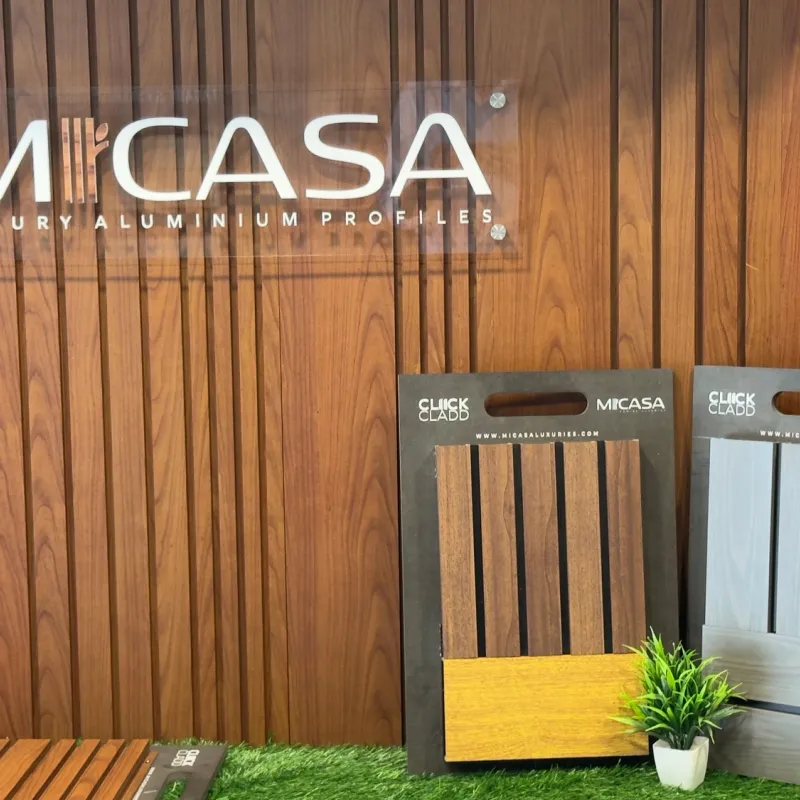
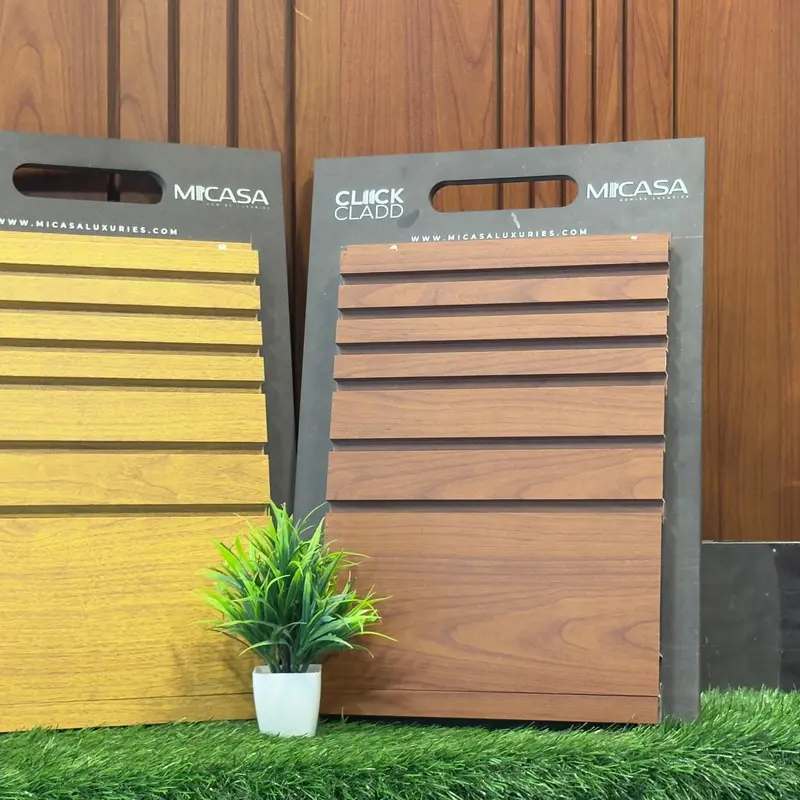
Showroom Images

 Thermal Insulation: Reduces Heat Transfer
Thermal Insulation: Reduces Heat Transfer
When combined with appropriate insulation materials, aluminium cladding can significantly improve a building's thermal insulation. It helps to reduce heat transfer, minimizing energy consumption for heating and cooling. This energy efficiency is particularly important in regions with extreme temperature fluctuations, helping engineers and architects meet sustainability goals.
 Lightweight: Eases Structural Load
Lightweight: Eases Structural Load
Aluminium is a lightweight material compared to many traditional building materials, which reduces the structural load on buildings. This allows for greater design flexibility without compromising on strength, and it simplifies installation processes. The lighter load also provides cost savings in the structural framework, which is an advantage during both the construction and the lifecycle of the building.
Versatility: Various Colors, Finishes, and Profiles
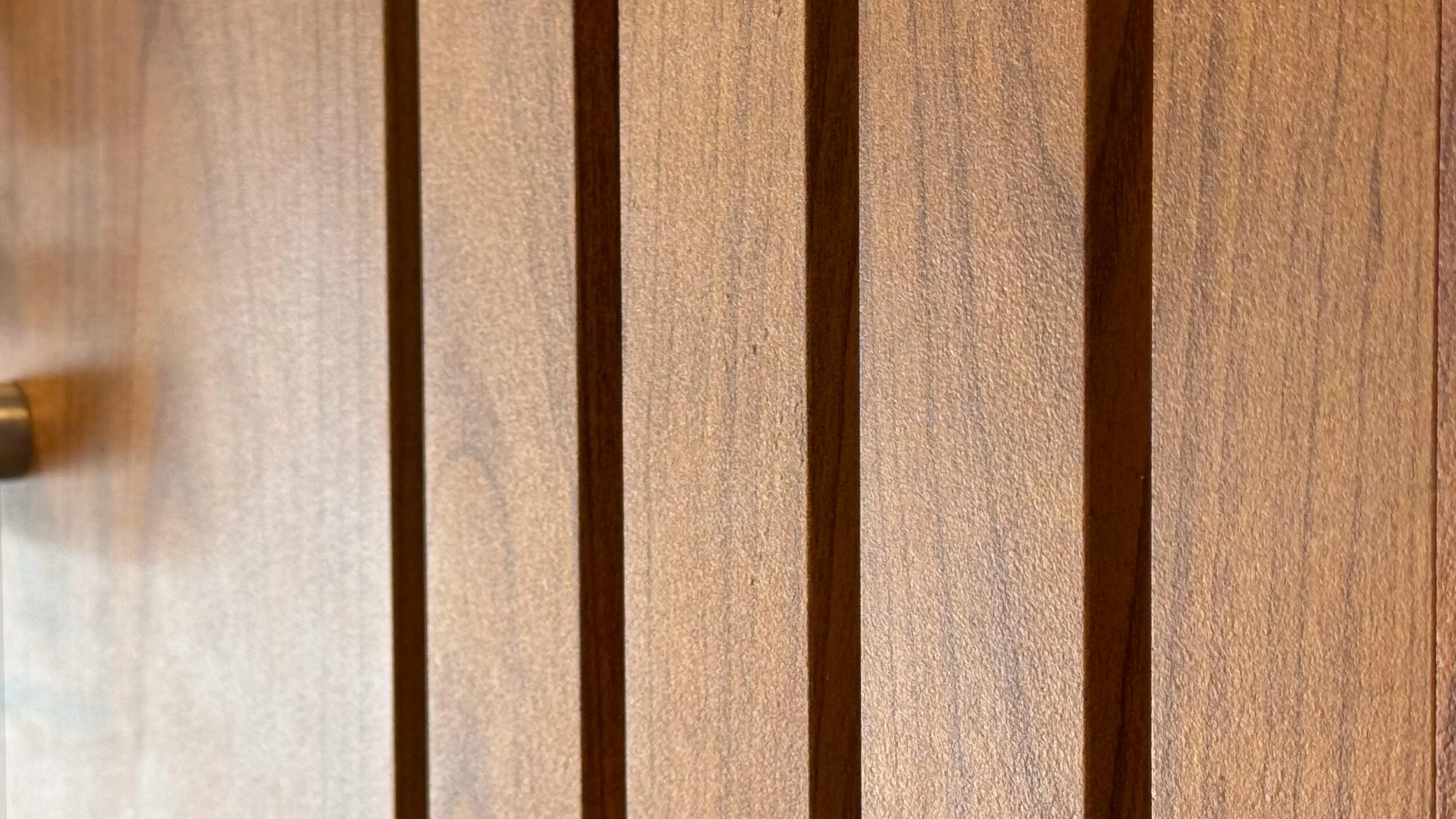
Aluminium cladding offers unmatched versatility, with a wide range of colors, finishes, and profiles available to suit diverse architectural styles. Whether the goal is to create a bold statement with vivid colours or replicate natural materials like stone or wood, aluminum can be anodized or coated to achieve the desired aesthetic effect. This versatility allows architects to balance both form and function, offering endless design possibilities.
 UV Resistance: Retains Color and Finish
UV Resistance: Retains Color and Finish
Aluminium cladding is resistant to ultraviolet (UV) rays, meaning it retains its color and finish over time without fading, even in sun-exposed areas. This is particularly important for buildings in hot climates or areas with prolonged sun exposure, ensuring the exterior maintains its visual appeal for years.
 Precise Profile Designs for a Sleek Appearance
Precise Profile Designs for a Sleek Appearance
Aluminium cladding allows for precise and intricate profile designs, enhancing the overall sleekness of the structure. Whether architects aim for sharp edges, smooth curves, or specific detailing, aluminium flexibility allows them to create stunning and precise design elements that elevate the overall aesthetic of the building.
Fire Resistance: Non-combustible Material
Safety is always a top priority in building design, and aluminium cladding offers strong fire resistance. Being a non-combustible material, aluminium cladding helps reduce the spread of fire, making it a safer option for buildings, especially in densely populated areas or regions with strict fire regulations.
Sustainability: 100% Recyclable
Sustainability is a growing concern in the construction industry, and aluminium is a highly sustainable material. It is 100% recyclable without losing its properties, making it a valuable choice for eco-friendly projects. Aluminium’s recyclability contributes to a circular economy, supporting architects and engineers in their efforts to reduce the environmental impact of their designs.

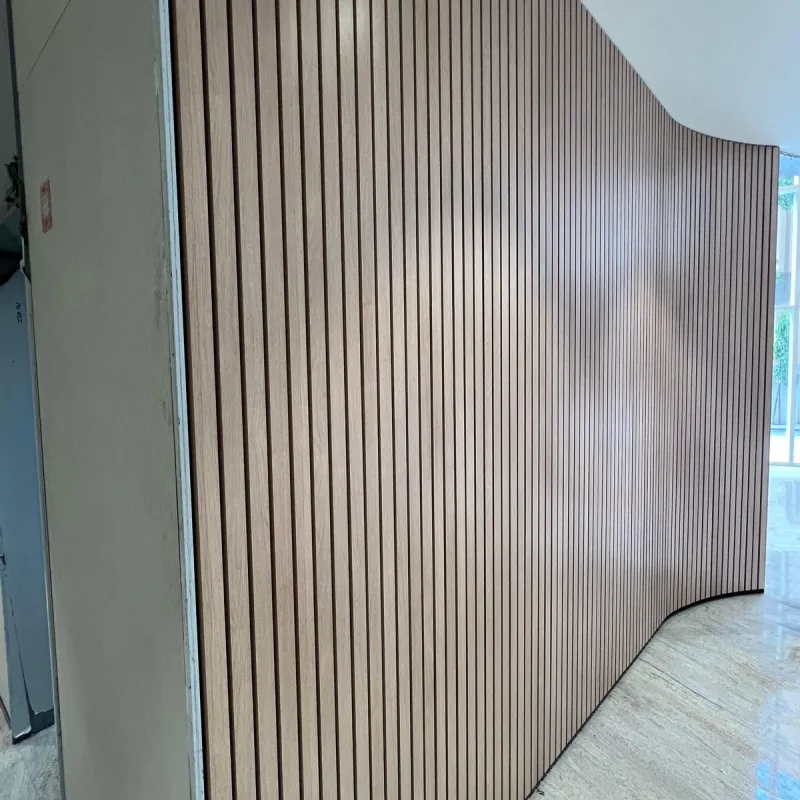
Project Images

FAQs on Luxury Aluminium Cladding profile

What is aluminium cladding made of?

Aluminium cladding is made from thin sheets of aluminum, sometimes alloyed with metals like copper or magnesium. It is often coated with protective layers such as polyester or PVDF for durability, or anodized for corrosion resistance. It can also come as Aluminium Composite Panels (ACP), which have a core material between two aluminum layers. This cladding is lightweight, weather-resistant, and provides thermal insulation.

how durable is aluminium cladding as a product?

Aluminium cladding is very durable, lasting 30 to 50 years or more. Coatings like PVDF offer high UV and weather resistance, while anodized aluminium provides excellent corrosion protection. Aluminium Composite Panels (ACP) are impact-resistant and long-lasting. Overall, these products are resistant to rust, fading, and corrosion.